The beach is dark except for dozens of bobbing headlamps, casting pale circles on glistening sand as diggers move with purposeful urgency. A wave retreats, and suddenly everyone freezes, scanning for the telltale dimples that mark hidden treasure beneath the surface. This is razor clam season at Ocean Shores, where the Washington coast transforms into a gathering place for one of the Pacific Northwest's most beloved traditions.
Whether you're a seasoned harvester who can gauge tide patterns by instinct or a curious first-timer drawn by stories of fresh-caught seafood, razor clam season offers an authentic connection to coastal rhythms that few activities can match. The thrill of spotting a show hole, the race against a digging clam, and the satisfaction of a successful harvest create memories that bring families back year after year.
What to Know About Razor Clam Season
The Washington Department of Fish and Wildlife announces the official digging dates each year to ensure sustainability and safety. The department determines razor clam season openings based on rigorous marine biotoxin testing and population surveys. Unlike predictable harvest schedules, these dates fluctuate throughout spring and fall based on ocean conditions, domoic acid levels, and clam bed health. This careful monitoring protects both harvesters and future clam populations, though it means you'll need to stay alert to announcements rather than planning months in advance.
Understanding tidal patterns is crucial. Razor clams are easiest to harvest during minus tides, when the ocean pulls back to reveal extensive stretches of prime digging territory. These extreme low tides typically occur during new and full moons, creating brief windows of opportunity that draw crowds to the beach at unconventional hours. Many successful digs happen in complete darkness or at dawn, adding an adventurous edge to the experience.
Where to Find the Best Clamming Spots
The razor clam digging area located near the Shilo Beach Approach and Damon Road Beach Approach. These Pacific razor clams thrive in the high-energy surf zone, and experienced diggers often work the area just beyond where waves break, timing their digs between sets. The extensive public beach stretching south offers miles of productive ground, though clam density varies. Scout for show holes (small dimples or indentations) that appear when clams retract their siphons, especially in areas where the sand appears slightly textured rather than completely smooth.
For those new to razor clamming, starting mid-beach away from the heaviest surf provides a gentler introduction. The clams are still abundant, but you'll face less wave interference while learning proper technique. Surf fishing enthusiasts also favor these stretches, where redtail surfperch and occasional lingcod cruise the breakers.
Preparing for a Successful Clamming Adventure
Success during razor clam season depends heavily on preparation. Arriving at the beach only to discover you're missing essential gear or documentation can turn an exciting outing frustrating.
- Check Rules: The WDFW website updates frequently with emergency closures due to biotoxin levels, so checking the morning of your dig is essential. Catch limits, size restrictions, and specific beach closures change based on real-time testing. Conservation areas exist to protect spawning populations.
- Get Licensed: Washington shellfish licenses are mandatory for anyone 15 and older. Digital licenses available through the WDFW website provide immediate access, while sporting goods stores and coastal shops sell physical licenses. Keep your license accessible since enforcement is active during popular razor clam season openings.
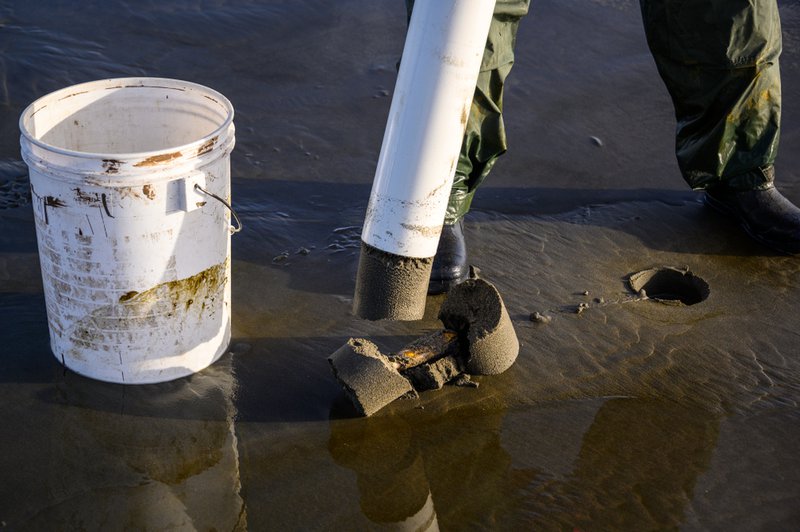
- Bring Gear: Your clam tube or narrow shovel is your primary tool. Clam tubes allow you to extract a cylinder of sand containing the clam without damaging it, while shovels require a faster technique as clams dig downward rapidly. Waterproof boots (not waders, which can be dangerous in surf) keep you dry, and neoprene gloves maintain dexterity in cold water. A mesh bag or bucket with ventilation holes keeps clams alive and sand-free. Headlamps with red-light settings preserve night vision during dark digs.
- Watch the Weather: Ocean Shores' coastal position means weather systems arrive suddenly. Keep an eye on coastal-specific forecasts accounting for local conditions. Fog commonly blankets the beach during spring and fall mornings.
- Respect Nature: Razor clam beds are renewable resources only if treated properly. Fill holes completely to prevent trapping other beach creatures. Harvest only clams meeting the minimum size (currently no minimum for razor clams, but always check current regulations). Avoid crushing smaller clams while digging, and never exceed daily limits even if digging is excellent.

Getting Started With Your First Dig
With the right preparation and an understanding of where to find the best harvesting spots, you're ready to experience the unique excitement of razor clam season. The combination of skill, timing, and a bit of luck makes each outing unpredictable and rewarding. As you gain experience reading the beach, spotting productive areas, and perfecting your digging technique, you'll understand why generations of coastal visitors return to Ocean Shores whenever the season opens. In Part 2, we'll explore how to handle, prepare, and cook your catch, along with essential safety considerations and year-round activities that make Ocean Shores a destination worth visiting beyond digging season.
If you’re ready for an unforgettable trip, start planning now. Come experience razor clam season, taste the coast, and make lifelong memories with family and friends. Save the date for the upcoming 2026 Razor Clam and Seafood Festival, a celebration that perfectly captures the spirit of Ocean Shores.
