King tides in Ocean Shores are the closest thing our coast has to a scheduled spectacle. A few times each winter, the highest tides of the year roll in off the Pacific, swallow the beach whole, and push gray, churning water right up against the dune grass. Add a storm swell on top and the whole western edge of our peninsula turns into a thundering wall of whitewater. We locals check the tide tables, pour coffee into a thermos, zip up our rain shells, and go watch. This guide covers what king tides actually are, when they happen here, where to watch them safely, and how to turn a king tide weekend into one of the best off-season trips on the Washington coast.

What Is a King Tide?
“King tide” isn’t a scientific term — it’s the popular name for a perigean spring tide, the exceptionally high tides that occur when the moon is both closest to Earth in its orbit and aligned with the sun. When those two things happen at once, the gravitational pull on the ocean is at its strongest, and the tidal range stretches to its yearly extremes: the highest highs and the lowest lows.
On our stretch of coast, a normal high tide runs around 8 to 9 feet. A king tide can top 10 feet — and when a winter low-pressure system stacks storm surge and big swell on top of that, the water climbs higher still. The beach you strolled in September simply disappears. Waves break where you flew your kite. Logs the size of school buses get picked up and rearranged like driftwood confetti.
The lows are just as dramatic. The same cycle that produces a 10-foot high tide can drop the water to a minus tide a few hours later, exposing vast, glistening flats — which is exactly why king tide season overlaps with some of the best razor clam digs of the year.
When Do King Tides Hit Ocean Shores?
King tides cluster in the darkest months. On the Washington coast, the biggest tidal events typically land between November and February, usually in sets of two to four consecutive days around the new or full moon. Each winter brings several rounds, so if you miss one window, another is usually a few weeks out.
The exact dates and heights are published far in advance. We recommend checking the NOAA Tides & Currents predictions for the Point Brown / Westport area before you book, then watching the National Weather Service forecast as your dates approach. The magic combination is a king tide plus a storm front: that’s when the surf goes from impressive to unforgettable. Our own tide chart guide explains how to read the tables like a local.
Timing Your Day
Plan to be at your viewpoint 60 to 90 minutes before the predicted high. The push is often more dramatic than the peak itself — you can watch the ocean claim the beach foot by foot. Winter high tides here often land conveniently mid-morning, which means you can watch the show, thaw out over chowder, and still catch a low-tide beach walk before the early dusk.
The Best Places to Watch King Tides
Ocean Shores gives you several front-row seats, each with a different personality. Wherever you go, the golden rule is elevation and distance: king tide water reaches places the ocean never touches the rest of the year.
The North Jetty
The southwest corner of the peninsula is the heavyweight venue. Swells that have traveled thousands of miles slam into the rocks and explode into geysers of spray. During a king tide with storm swell, waves can clear the jetty entirely — which is precisely why you should watch from the parking area and the high ground behind it, never from the rocks themselves. Our North Jetty guide covers parking, timing, and what to expect in every season.
The Beach Approaches
The elevated approaches at Chance a la Mer, Ocean Lake Way, and Taurus Boulevard let you watch the water come to you while keeping pavement under your feet and your car close by. On the biggest tides, waves can run right up to the base of the approaches — a surreal sight in a town where the beach is normally hundreds of feet wide.
Damon Point (Closed — Skip It)
You’ll still see the sandspit at the peninsula’s southeast tip in older king tide roundups, but Damon Point is currently closed to public access. Erosion has turned it into an island at high water, and rising tides have stranded walkers who tried to cross. Admire it from a distance and do your tide watching from the jetty or the beach approaches instead.
A Warm Room With a View
Honestly? Some of the best king tide watching happens through a rain-streaked window with the heater on and a mug in hand. Oceanfront rooms on the upper floors put the whole show at eye level. Browse the local lodging directory for oceanfront stays, and see our storm watching lodging guide for the rooms locals recommend.

King Tide Safety: Respect the Water
We love this spectacle, and we want you to see it — from a safe spot. Winter surf on the Washington coast is genuinely dangerous, and king tides amplify everything.
Never turn your back on the ocean. Sneaker waves — single waves that surge far beyond the ones before them — claim lives on this coast, and they are most dangerous exactly when the surf is big. Stay off beach logs and away from the driftwood line; a log that looks immovable becomes a rolling hazard in inches of moving water. Keep children and dogs well upslope, don’t drive on the beach during the high-tide window, and give the jetty rocks an absolute pass. Cold matters too: our winter ocean hovers around 50 degrees, and wind chill on an exposed approach is no joke. For the full rundown, read our beach safety guide before you go.
What to Bring
Dress like you’re going to stand in a 40-mph wind in sideways drizzle, because you might be: a hooded rain shell over warm layers, waterproof boots, a hat that won’t blow off, and gloves. Bring binoculars for watching the surf break on the horizon, a thermos of something hot, and a towel for the car. Photographers should pack a lens cloth — salt spray travels astonishingly far — and consider a plastic bag or rain cover for the camera. A headlamp earns its place in December, when dusk lands before 4:30 p.m.
Make a Weekend of It
A king tide is a two-hour show, but it anchors a perfect off-season weekend. Watch the morning high, then warm up with chowder and coffee downtown. Time the afternoon minus tide for a huge, empty beach walk — the sand is firm, the fog comes and goes, and the beachcombing after big surf is some of the best of the year. Check whether the WDFW razor clam schedule has an evening dig approved during your dates; king tide weekends often coincide with excellent digging lows. Then finish the day the Ocean Shores way: a fire, a hot meal, and the sound of surf you can hear from bed. Our storm watching guide pairs perfectly with this itinerary.
Reading the Surf: What You’re Actually Watching
Part of what makes king tide watching addictive is learning to read the water. The waves arriving at our beach in winter were usually born in storms near the Aleutians, thousands of miles northwest; by the time they get here they’ve organized into long-period swell — deep, widely spaced ridges of energy that make the ground tremble faintly when they break. Watch the horizon and you’ll see the sets come in groups, often with a lull between them; that rhythm is exactly why sneaker waves catch people out, because ten quiet minutes mean nothing about the eleventh. Notice, too, how the surf zone widens on a king tide: waves begin breaking much farther out, then re-form and break again, stacking rows of whitewater a quarter mile deep. When the outgoing water of one wave collides with the incoming push of the next, the sea throws up sudden peaks and claps of spray — chaos you can watch for an hour without seeing the same collision twice. Add wind shear tearing the crests into streamers of spume, and you have the whole reason storm watchers exist as a species.
Why Scientists Watch King Tides Too
King tides have a serious side: they preview what higher average sea levels will mean for coastal communities, which is why Washington runs citizen-science photo initiatives asking people to document how far the water reaches during these events. Snap a photo of the water line at a recognizable landmark — a beach approach, the jetty, a dune fence — and you’re contributing a data point while you sightsee. It’s a very Ocean Shores form of civic duty: stand in the wind, drink coffee, take pictures of the enormous ocean.
Photographing King Tides
Big-surf days are among the most photogenic of the year here, in that brooding, monochrome Pacific Northwest way. A few local pointers: shoot from elevation with a telephoto if you have one — compression makes the stacked breakers look as massive as they feel, and it keeps you out of spray range. Overcast light is your friend; the flat gray sky becomes a giant softbox, and the water goes pewter and silver. Faster shutter speeds freeze exploding spray at the jetty; slower ones turn the churn into mist. Protect the gear obsessively — salt spray drifts hundreds of yards downwind of big surf, so keep the lens cloth working and change lenses in the car. And the classic shot of a tiny, rain-shelled human dwarfed by the surf line? That’s best staged on the safe, elevated approach, not down on the sand. For more spots and seasonal light notes, our beach photography guide goes deeper.
Frequently Asked Questions
What months are king tides in Ocean Shores?
The biggest king tides on the Washington coast arrive between November and February, in sets of two to four days around new and full moons. Check NOAA tide predictions for exact dates and heights before your trip.
How high does a king tide get in Ocean Shores?
King tides here typically top 10 feet, compared with 8 to 9 feet for an ordinary high tide. Storm surge and big swell can push the effective water level even higher, sending waves to the base of the dunes.
Is it safe to walk the beach during a king tide?
Not during the high-tide window. The beach narrows dramatically or disappears, sneaker waves reach far beyond the visible surf line, and driftwood becomes a rolling hazard. Watch from the elevated beach approaches or high ground, and save your walk for the falling tide.
Where is the best place to watch king tides in Ocean Shores?
The North Jetty area delivers the most dramatic wave action — watched from the parking area and high ground, never the rocks. The elevated beach approaches at Chance a la Mer and Taurus Boulevard are safe, easy options, and upper-floor oceanfront rooms offer the warmest seat in town.
Can I drive on the beach during a king tide?
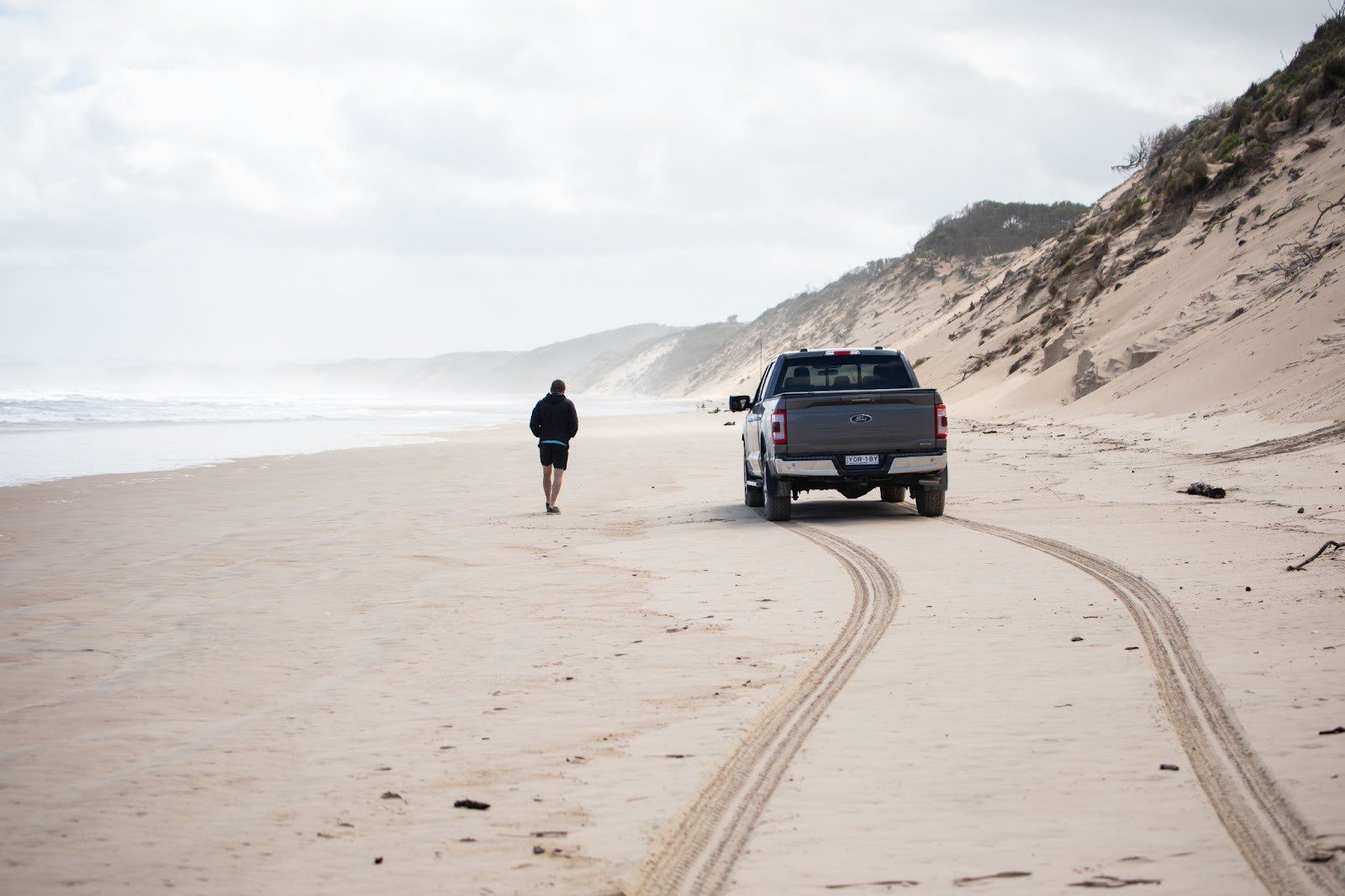
Don’t. The drivable beach shrinks to nothing at the peak, soft sand and surging water strand vehicles every winter, and a rising king tide gives you very little margin for error. Park at the approaches and watch from elevation instead.
Do king tides mean good razor clamming?
Often, yes. The same lunar cycle that creates extreme highs also creates excellent minus lows, and WDFW frequently schedules winter digs around them. Always confirm the dig is approved on WDFW’s website and buy your license before you head out.
Plan Your King Tide Trip
King tides are our coast at full volume — the Pacific reminding everyone who’s really in charge of this peninsula. Come see it. Pick a November-through-February tide series, book an oceanfront room through the lodging directory, pack your worst-weather gear, and let the winter ocean put on the show. We’ll leave the light on and the chowder simmering.
